





















Gramm-Leach-Bliley Act (GLBA) Explained: Privacy, Safeguards, and Compliance
If your business touches customer financial information, the Gramm-Leach-Bliley Act is not optional background reading. It is the federal law that tells financial institutions how to explain their privacy practices, limit sharing, and protect sensitive…
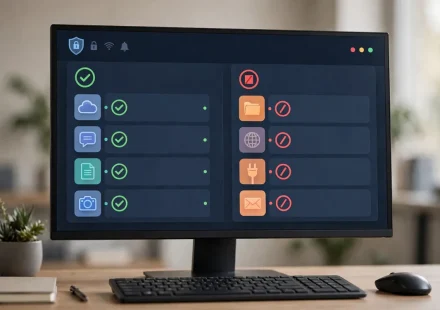
Application Control Engine: 7 Steps to Stop Unauthorized Software
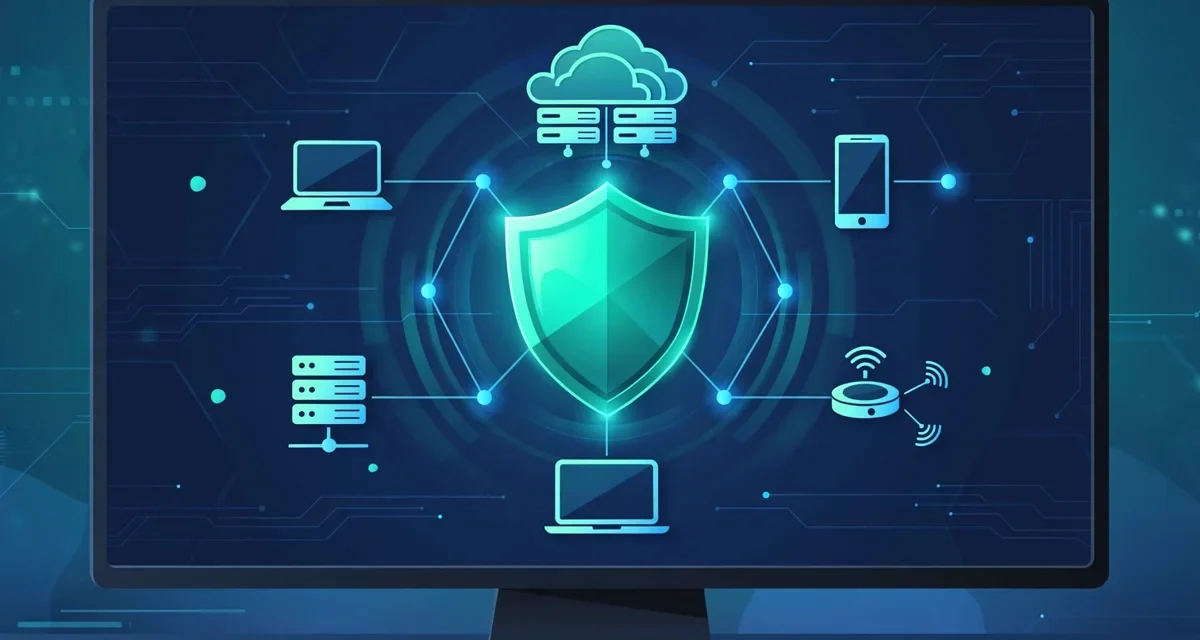
An application control engine is the security control that decides, in real time, which programs are allowed to run on a device, server, or cloud workload — and which must be stopped before they can do any harm. If antivirus asks, “Do I recognize this…
Netstat: 7 Essential Commands to Spot Suspicious Connections Fast
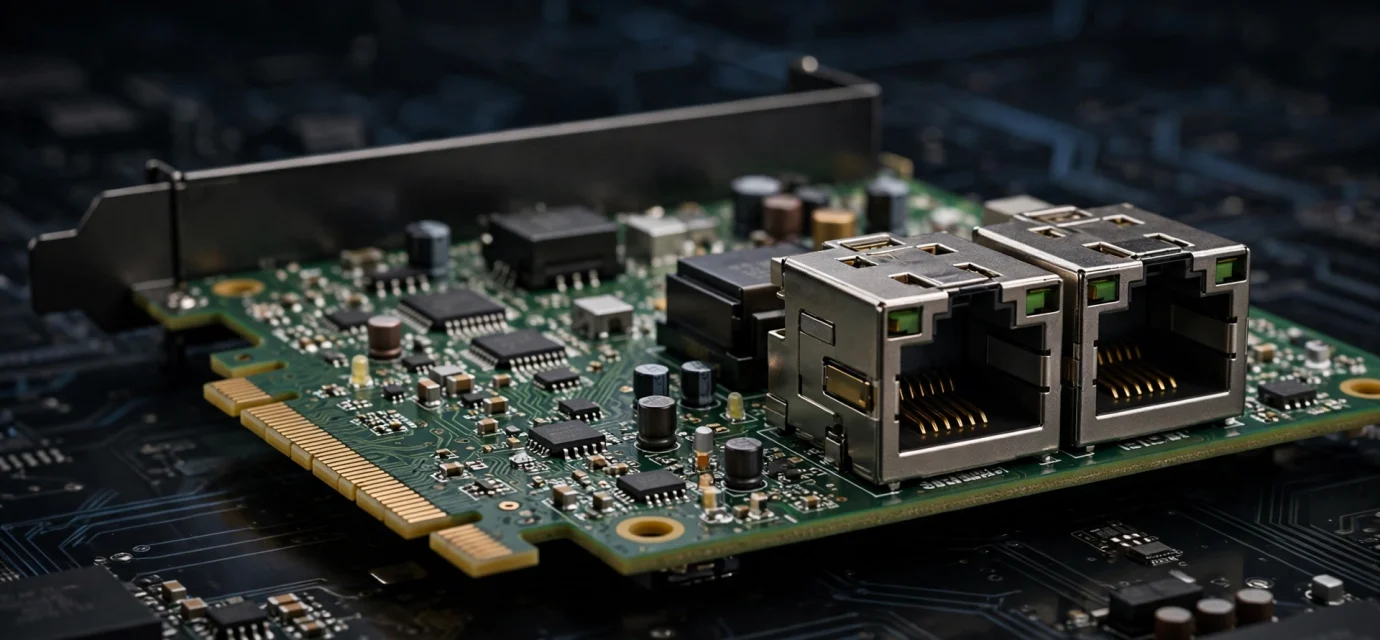
Every computer that connects to a network leaves a trail. Some connections are ordinary, such as a browser fetching a web page or a mail client checking for new messages. Others are less welcome: a program quietly contacting an unfamiliar server, a port…
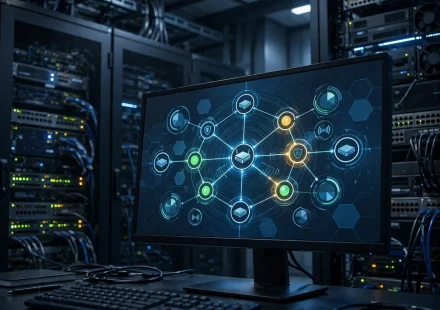
What Is SNMP? 7 Ways It Powers Safer Network Monitoring
SNMP is the quiet protocol behind much of modern network monitoring. When a router gets hot, a switch port goes down, or a server disk fills up, SNMP is often the system that notices first and tells the administrator. Without it, teams would have to…
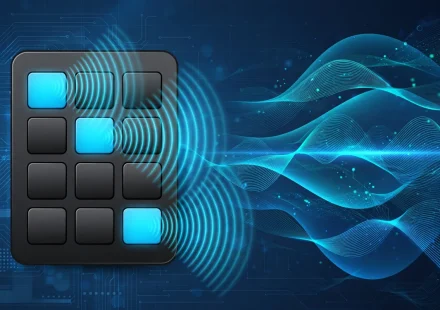
DTMF: Definition, How Touch-Tone Signaling Works and Uses
If you have ever pressed keys during a phone call to navigate a menu, enter an account number or confirm a payment, you have used DTMF. Dual-tone multi-frequency signaling, better known as touch-tone dialing, is the system that turns each key press on a…
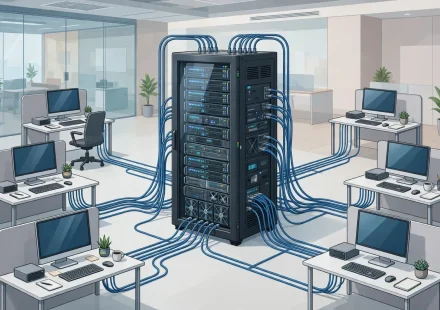
Server-Based Computing: How It Works, Benefits and Examples
Server-based computing is a model in which applications run on central servers rather than on each user’s individual device. Users connect to the server, which does the processing and storage, and see only the application’s interface on their…
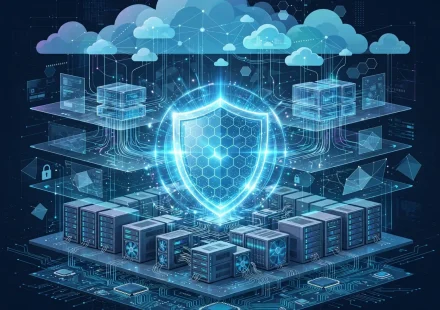
Security Virtual Appliance: What It Is, Benefits and Use Cases
As organizations move workloads to virtualized and cloud environments, security must move with them. A security virtual appliance is a security solution delivered as software that runs on a virtual machine, rather than as a dedicated hardware box. It…
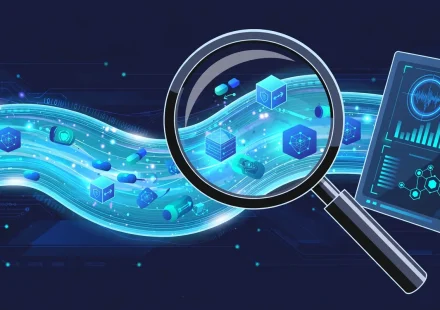
What Is Packet Capture? How It Works, Tools and Uses
When a network slows down, an application fails or a security incident is suspected, engineers need evidence, not guesses. Packet capture is the technique of recording the individual packets that travel across a network, so they can be inspected,…
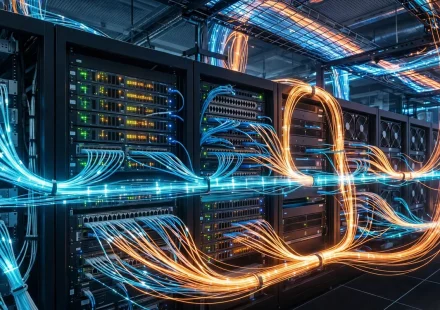
Non-Stop Forwarding (NSF): How It Keeps Networks Running
Networks are expected to run without interruption, even when hardware fails, software restarts or a control component is replaced. Non-stop forwarding, or NSF, is a high-availability technology that helps routers keep forwarding packets during a…
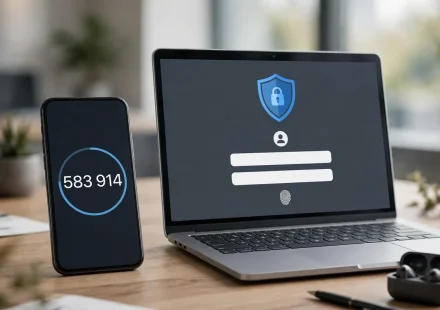
Multi-Factor Authentication (MFA): Types, Benefits and How It Works
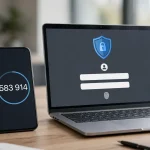
Passwords alone are no longer enough to protect accounts. They are reused, phished, guessed and leaked in data breaches at enormous scale. Multi-factor authentication, or MFA, adds a second (or third) check before access is granted, so that a stolen…