
















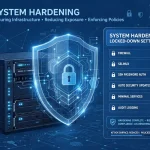










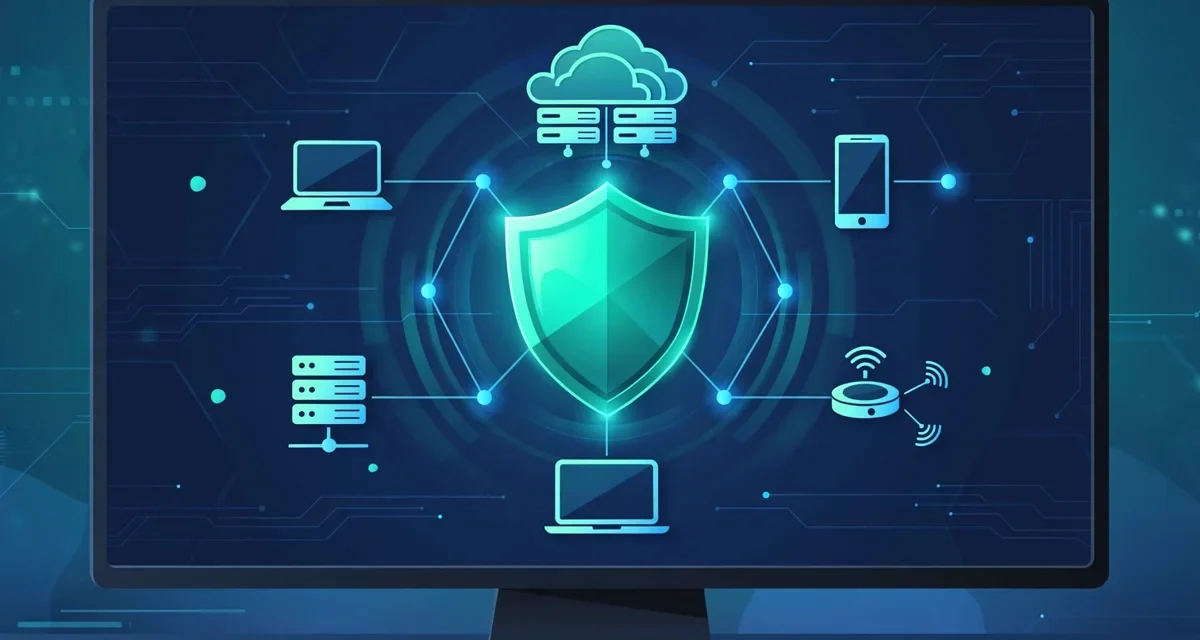






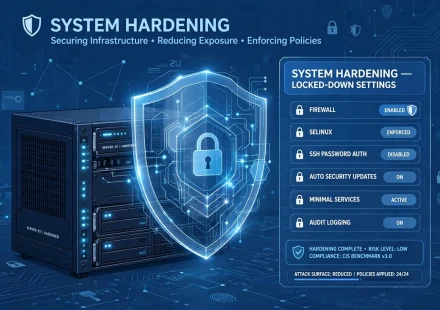
System Hardening: A Complete Guide to Locking Down Servers, Devices, and Cloud Systems
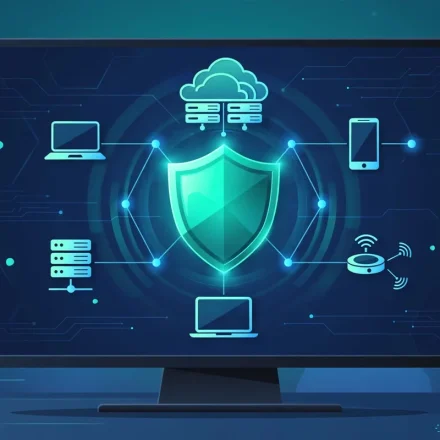
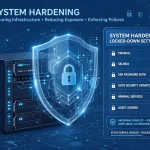
System hardening is one of the most effective ways to protect servers, computers, and cloud workloads from attack. It means removing what you do not need, locking down what you keep, and checking that those controls stay in place. This guide explains…

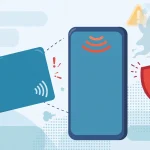
What Is a Key Fob?
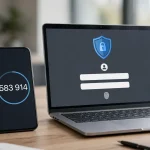
A key fob is a small, pocket-sized remote that locks, unlocks, and often starts a car or opens a secured door without inserting a traditional metal key. It looks simple — usually a plastic case with a few buttons and a key ring — but inside it is a small…

Site to Site VPN: How It Securely Connects Offices, Branches and Cloud Networks
A site to site vpn connects whole networks, not just one laptop, so staff at different offices can use shared files, printers, internal apps and cloud resources as if they were on the same private network. Traffic travels through an encrypted tunnel…
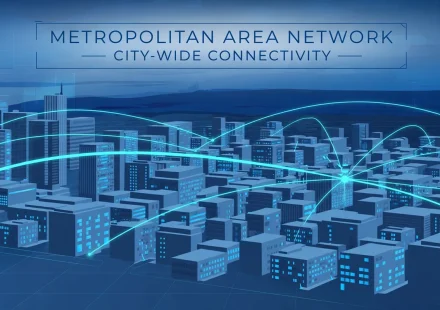
Metropolitan Area Network (MAN): What It Is, How It Works and Examples
A metropolitan area network connects offices, campuses, hospitals, and data centers across a single city or metropolitan region. It is larger than the network inside one building, but smaller and more focused than a network spanning countries. For many…
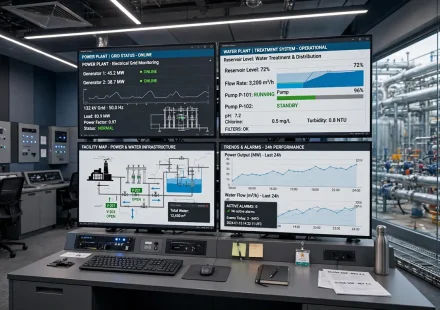
SCADA Meaning: What SCADA Is, How It Works and Where It Is Used
If you have searched for scada meaning, you have probably seen the term in discussions about factories, power plants, water systems, and smart infrastructure. SCADA stands for Supervisory Control and Data Acquisition. In simple terms, it is a system that…
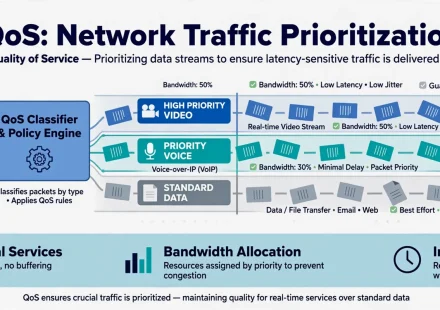
Quality of Service (QoS): How It Prioritizes Network Traffic and Why It Matters
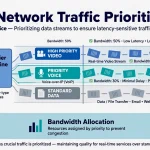
When a video call freezes, a voice call breaks up, or a cloud application stalls, the problem is rarely that the network has stopped working. More often, every kind of traffic is competing for the same limited bandwidth, and the most time-sensitive…
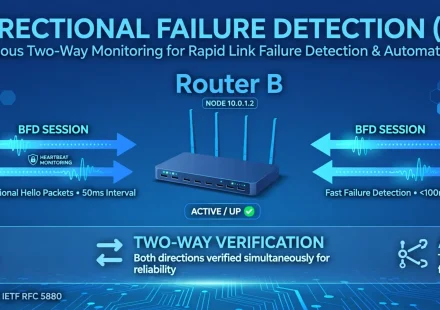
BFD (Bidirectional Forwarding Detection): How It Works and Why Networks Use It
When a network link fails, every second of delay can mean dropped calls, stalled cloud applications, and lost transactions. Routing protocols such as OSPF and BGP are reliable, but their built-in hello timers are often too slow to notice a failure…
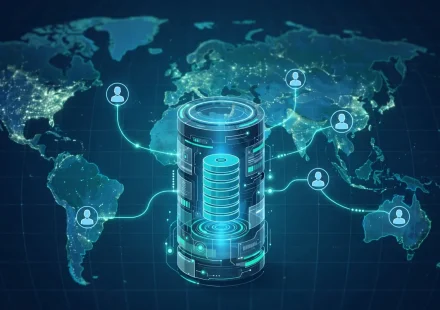
Global Catalog in Active Directory: How It Works, Ports and Security
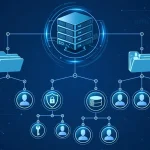
When you search for a colleague in another part of a large company, or log on at a branch office far from headquarters, Active Directory still needs to find you quickly. That forest-wide lookup is the job of the global catalog. It is a special,…

Terminal Services Explained: How They Work, Benefits, Security and Costs
Terminal services let many people work on one powerful central server from simple, inexpensive devices. Instead of installing every application on every computer, the applications run on the server, and each user sees only their own session on screen.…
What Is Change Block Tracking? How CBT Speeds Up Backups and Protects VMs
Change block tracking is the quiet technology that makes modern virtual machine backups fast enough to run every day. Without it, a backup system would have to read every block of every virtual disk, every time, just to find what had changed. With it,…