




















































SecOps Explained: What Security Operations Does All Day
When a company talks about staying safe online, it usually mentions firewalls, passwords and antivirus software. Those tools matter, but they do not watch themselves. Somebody has to monitor them, notice when something looks wrong, and act before a small…

AI Agent Identity: Why Agents Need Their Own Identity and Access Control
AI agents are no longer just chatbots that answer questions. Increasingly, they log in to systems, call APIs, read files, send messages, update records and complete multi-step tasks on behalf of a person or a company. A travel agent books a trip, a…
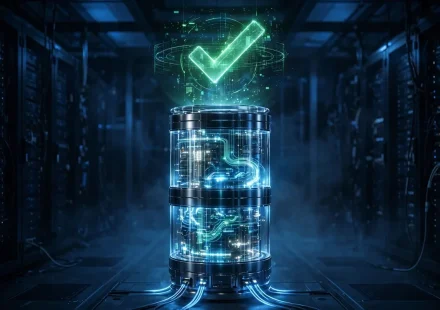
What Is Data Integrity? Definition, Types and How to Protect It
What is data integrity? In plain words, data integrity means that data stays accurate, complete and unchanged unless it is supposed to change, across its whole life — from the moment it is created, through every copy, transfer and update, until it is…

Identity Access Management (IAM) Explained: How It Works
Identity access management (IAM) is the system of policies, processes and tools that makes sure the right people — and only they — can reach the right systems and data, at the right time and for the right reasons. Every time an employee signs in to…

Insider Threats: How Insider Threat Programs Defend an Organisation
How do insider threat programs defend against insider threats? They do it by combining clear rules, careful access control, proportionate monitoring and a culture in which concerns can be raised early. No single tool stops insider risk on its own. A…

Pentest: What Is Penetration Testing and How Does It Work?
A pentest, short for penetration test, is an authorised simulated attack on a system, application or network. Security professionals act, in a controlled way, as an attacker would, to find weaknesses before a real attacker does. The aim is not to cause…

What Is DLP? Data Loss Prevention Explained (Types, Tools and How It Works)
Data loss prevention, usually shortened to DLP, is the combination of policies and technology that stops sensitive data from leaving an organisation without permission. People sometimes search for DLPs, but they mean the same thing: the controls that…

CIA Triad: Confidentiality, Integrity and Availability Explained
The CIA triad is the foundation model of information security. It says that good security protects three things at once: confidentiality, integrity, and availability. If any one of them fails, the system is not truly secure, even if the other two look…

Zero-Trust Network Access (ZTNA) Explained: How It Works and Why It Replaces VPNs
For many years, remote access to work systems meant one thing: a virtual private network, or VPN. You connected, you were placed inside the company network, and from there you could usually reach a wide range of systems. That model made sense when most…

What Is MDR? Managed Detection and Response Explained
Most small and mid-sized businesses know they should watch for cyberattacks around the clock, but very few can staff a security team that actually does it. Alerts arrive at night, on weekends, and during holidays, and a warning that sits unread for hours…