
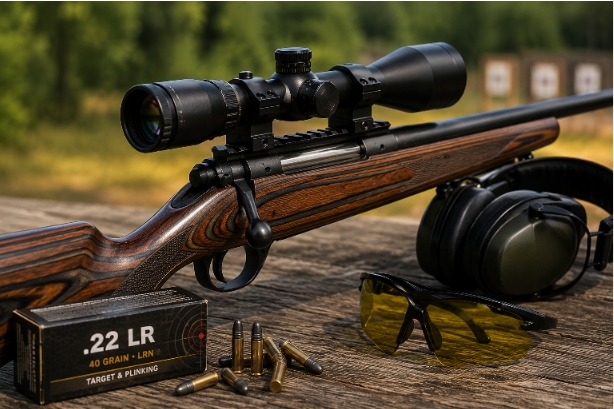

Optical technology has become an important part of modern shooting equipment. Whether someone is interested in recreational shooting, target practice, or understanding modern rifle accessories, a quality optical system can make it easier to observe targets and improve aiming consistency. Modern scopes are designed with clearer lenses, improved light transmission, durable construction, and practical adjustment systems.
Among rimfire platforms, the .22 LR remains one of the most widely recognized cartridges because of its manageable characteristics and broad range of applications. Choosing the right optical equipment for a .22 LR rifle can make a noticeable difference in how comfortably and consistently a shooter can use the platform.
Why Optical Technology Matters
A rifle scope does more than simply magnify a target. A well-designed optical system helps the user see details more clearly and maintain a consistent sight picture. Lens quality, magnification, reticle design, eye relief, and adjustment mechanisms all contribute to the overall viewing experience.
Modern optics also focus on durability. Outdoor equipment may be exposed to dust, moisture, changing temperatures, and repeated handling. For this reason, many contemporary scopes use strong housings and protective coatings designed for demanding environments.
The combination of optical clarity and mechanical reliability is particularly important when selecting an optic for a rimfire rifle.
Understanding 22 LR Rifle Optics
The .22 LR platform is commonly associated with recreational shooting and target practice. Because these rifles can be used at different distances and in different environments, there isn’t one optical configuration that works perfectly for everyone.
Some users may prefer lower magnification for a wider field of view, while others may want additional magnification for more detailed target observation. The best choice depends on the rifle, intended use, shooting distance, and personal preferences.
When researching the Best 22 LR Rifles, it is also useful to consider what type of optic would complement the rifle. A balanced combination of rifle and scope can provide a more comfortable and practical setup.
Important Features of a Rifle Scope
Several features should be considered before choosing a rifle scope.
Magnification
Magnification determines how much larger a distant object appears through the scope. Lower magnification can provide a wider field of view, while higher magnification can help with detailed observation at longer distances.
For many .22 LR applications, moderate magnification can provide a practical balance between visibility and ease of use.
Lens Quality
High-quality lenses can improve image sharpness and contrast. Good light transmission can also make an optic easier to use under changing lighting conditions.
Lens coatings are another important consideration. Manufacturers may use specialized coatings to reduce reflections and improve the amount of usable light reaching the viewer.
Reticle Design
The reticle is the aiming pattern visible inside the scope. Different designs can suit different preferences and applications.
A simple reticle may be preferred for straightforward target shooting, while more advanced designs can provide additional reference points.
Eye Relief
Eye relief refers to the distance between the user’s eye and the scope while maintaining a complete sight picture. Appropriate eye relief can make an optic more comfortable to use and can be an important consideration when comparing different models.
Adjustment System
Scopes typically include adjustment mechanisms that allow users to make changes to the point of aim. Clear and reliable adjustment controls are an important part of a quality optic.
Scope Mounts Are Also Important
A scope cannot perform properly if it isn’t securely mounted. Mounting systems connect the optic to the rifle and help maintain alignment.
Different rifles can use different mounting standards, so compatibility should always be checked before purchasing a mount. The height and design of a mount can also affect the overall positioning of the optic.
A properly selected mounting system helps create a stable setup and can contribute to a more consistent sight picture.
Red Dot Sights vs. Traditional Scopes
Traditional rifle scopes aren’t the only optical option available. Red dot sights have also become popular for applications where quick target acquisition and a simple aiming reference are priorities.
A red dot sight generally provides a non-magnified sight picture, making it different from a conventional magnified scope.
For users who need magnification and detailed target observation, a traditional scope may be more appropriate. For applications where speed and simplicity are more important, a red dot sight can be an alternative worth considering.
The right choice ultimately depends on the intended use of the rifle and the user’s preferences.
Optical Durability and Outdoor Use
Durability is an important factor when selecting any outdoor optical equipment. A scope may encounter vibration, transportation, dust, moisture, and temperature changes during normal use.
Manufacturers therefore pay close attention to housing materials, sealing, lens protection, and internal construction.
A durable optic can provide greater confidence for users who regularly transport and use their equipment outdoors. However, specifications vary considerably between products, so buyers should always review the manufacturer’s information before making a decision.
How OEM Manufacturing Supports Modern Optics
OEM manufacturing plays an important role in the optics industry. Original equipment manufacturers can produce optical components and complete products according to specific design and manufacturing requirements.
Modern production may involve precision machining, lens processing, coating technologies, assembly, and quality-control procedures. These processes help manufacturers produce consistent optical products for different markets.
OEM capabilities can also allow companies to develop products with particular dimensions, features, materials, or branding requirements.
As optical technology continues to develop, manufacturing precision remains an important part of producing reliable equipment.
Choosing the Right Optic for a 22 LR Platform
There are several questions worth asking before selecting an optic for a .22 LR rifle:
- What distance will the optic primarily be used at?
- Is magnification necessary?
- What type of reticle is preferred?
- How important are weight and size?
- Is the mounting system compatible with the rifle?
- What environmental conditions will the optic encounter?
- Does the manufacturer provide clear specifications and support?
Answering these questions can help narrow down the available choices.
It is also useful to compare the complete setup rather than focusing on the scope alone. The rifle, optic, mount, and intended application should work together as a balanced system.
The Future of Rifle Optics
Optical technology continues to evolve. Advances in lens coatings, materials, manufacturing processes, and optical design are helping manufacturers create increasingly capable products.
Future developments may focus on improved clarity, lighter construction, stronger materials, and more refined adjustment systems. Digital technologies may also influence the wider optics industry, although traditional optical systems remain highly relevant.
For consumers, the growing range of products means there are more options than ever before. Careful comparison of specifications and intended applications can help users make informed purchasing decisions.
Final Thoughts
Optical technology has an important role in modern rifle equipment. From traditional magnified scopes to red dot sights and advanced mounting systems, each component can influence the overall experience.
For .22 LR platforms, selecting an appropriate optic requires attention to factors such as magnification, lens quality, reticle design, eye relief, mounting compatibility, and durability. Researching the rifle itself alongside its optical requirements can make the selection process much easier.
As the optics industry continues to improve manufacturing methods and optical design, users can expect a wider range of reliable and specialized products. Whether researching scopes, mounts, or Best 22 LR Rifles, understanding the fundamentals of optical technology is a useful starting point for making an informed choice.
Related Reading
For another look at optics beyond the range, read about how optical technology supports modern security and outdoor monitoring, and for something completely different, compare the top 6 pickleball court surface materials before your next match.
22 LR Rifle Optics: Choosing With Confidence
Ultimately, the best 22 LR rifle optics are the ones that match your rifle, your shooting distance, and the conditions you shoot in most often. Clear glass, a practical reticle, and a secure mount matter far more than the longest feature list.
Moreover, well-chosen 22 LR rifle optics can make target practice more consistent and more enjoyable, because a clear sight picture is easier to repeat from shot to shot.
Finally, take a little time to compare 22 LR rifle optics before you buy, and your rimfire setup will reward you with better precision and performance.



[…] Reading: See how optics improve precision for 22 LR rifles and learn how cybersecurity audits help protect connected […]