






























Kerberoasting: What It Is, How the Attack Works, and How to Detect and Prevent It
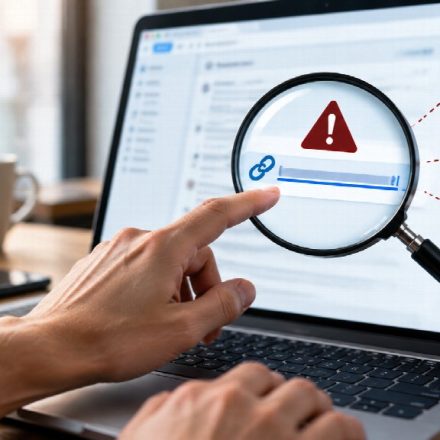
Kerberoasting is a post-exploitation attack against Microsoft Active Directory in which an attacker who already has a low-privileged domain account requests Kerberos service tickets for service accounts, then cracks those tickets offline to recover the…

Hard Drive Disposal: How to Securely Wipe, Destroy, and Recycle Old Drives
Hard drive disposal is the secure process of removing data from an old hard drive, then recycling or destroying the drive itself. Simply deleting files, emptying the recycle bin, or formatting the drive does not do it. Deleted files can be recovered with…
ISO 27001 Compliance: What It Is, How to Get Certified, and How to Stay Compliant
ISO 27001 compliance means building, running, and proving an Information Security Management System, or ISMS, that meets the requirements of ISO/IEC 27001:2022. It is not a product you buy, a checklist you complete once, or a certificate you hang on a…
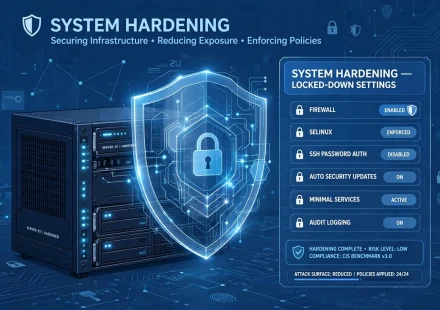
Who Can Decontrol Controlled Unclassified Information (CUI)?
CUI decontrol is the process of removing the Controlled Unclassified Information designation from information that no longer needs that protection. Only the designating agency can decontrol CUI. An authorized holder, a contractor, a subcontractor, or…
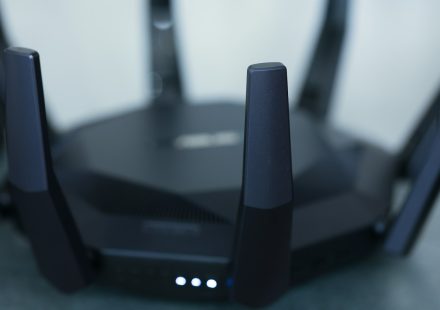
SIP ALG: What It Is, Why It Breaks VoIP Calls, and When to Disable It
SIP ALG is a feature built into many routers and firewalls that tries to help Session Initiation Protocol (SIP) voice calls work through Network Address Translation (NAT). In practice, it is one of the most common causes of broken business phone calls.…
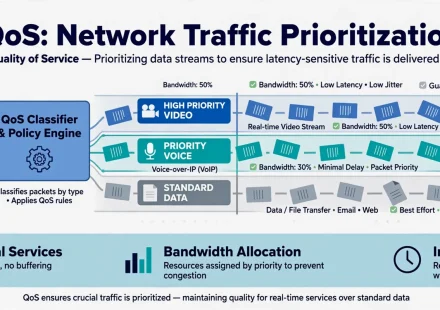
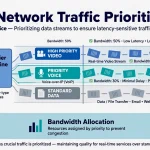
DSCP: What It Is, How Differentiated Services Code Point Works, and Why It Matters
DSCP, or Differentiated Services Code Point, is a six-bit field in the IP header that marks a packet with a priority level. Network devices read that mark and treat the packet accordingly: voice and video traffic can jump the queue, while bulk downloads…
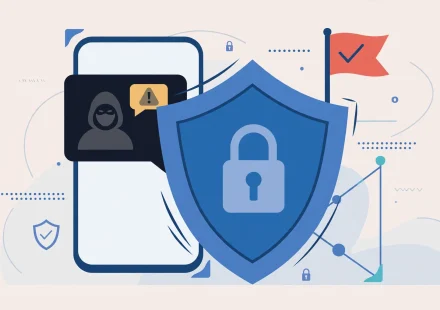
OPSEC: Operations Security Explained — How to Protect Sensitive Information
OPSEC, short for operations security, is the process of identifying the information an adversary could use against you, and taking steps to protect it. It began in the military, where a careless comment, a photograph, or a travel plan could reveal a…
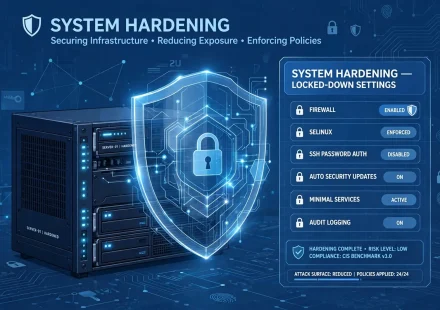
Enterprise Web Filtering: How to Protect Your Business Online
Enterprise web filtering is the practice of controlling which websites and online services employees can access from company devices and networks. It blocks malicious, inappropriate or unproductive sites, enforces company policy, and protects the…
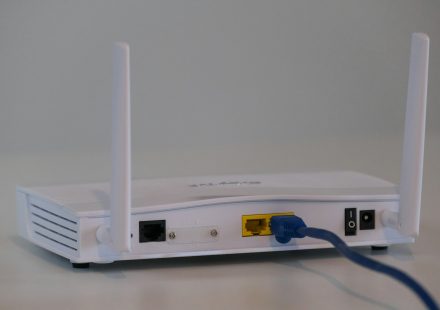
Captive Portal: What It Is, How It Works, and How to Secure It
A captive portal is the login or agreement page you see before you can use a public Wi-Fi network. You have met one in a hotel, airport, coffee shop, hospital or university: you join the Wi-Fi, open a browser, and instead of the website you wanted, you…

Security Classification Guide: How to Classify Data and Protect What Matters Most
A security classification guide is the document that tells everyone in an organisation what a piece of information is worth, how sensitive it is, and exactly how it must be handled. Without one, employees have to guess. Some treat a customer list like a…