










































What Is an Infector Virus? How It Infects, Spreads and How to Remove It
An infector virus is a type of malware that inserts its own code into other programs and files. Once it has infected a file, every time that file is opened, the virus code runs too — and it can go on to infect still more files. That is why infector…

What Is FTPS?
What is FTPS? FTPS is FTP made safe: the classic File Transfer Protocol wrapped in TLS encryption, the same kind of encryption that protects HTTPS websites. It lets you move files between a computer and a server without sending your username, password,…

What Is AES Encryption?
What is AES encryption? It is the symmetric encryption standard that protects most of the digital world: your Wi-Fi password, your phone backup, your bank session, and the files stored in the cloud. AES stands for Advanced Encryption Standard. It…

How Do You Encrypt an Email?
Encrypting an email means turning its readable text into scrambled code that only the intended recipient can unlock. Without encryption, an email is closer to a postcard than a sealed letter: anyone who can intercept it along the way, on public Wi-Fi, on…
Snapchat Phishing: How the Scam Works and How to Protect Your Account
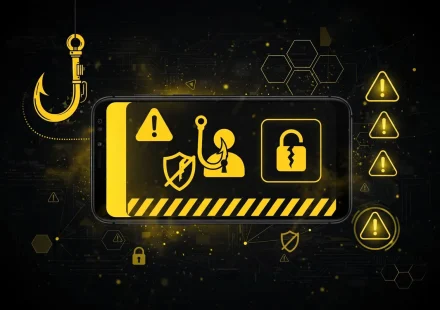
Snapchat phishing is a scam in which criminals impersonate Snapchat, or someone you trust, to trick you into handing over your login details, verification codes, or money. The message might look like a warning from Snapchat support, a login alert, or a…

What Is an Information Security Audit? Types, Steps and Checklist
An information security audit is a structured review of how well an organisation protects its data, systems and people. It checks whether security controls actually work, whether policies are followed, and whether the business meets the laws and…
Types of Cybercrime: 12 Common Cyber Crimes, Explained
Cyber crimes affect millions of people and businesses every year. A single phishing email can empty a bank account, a ransomware attack can shut down a hospital, and a stolen password can expose years of private messages. Yet many people still think of…

What Is IPsec? How IPsec VPNs Work, Explained Simply
IPsec is the set of rules that keeps internet traffic private and tamper-proof. Short for Internet Protocol Security, it is the technology behind many of the virtual private networks (VPNs) that businesses use to connect offices, protect remote workers…

What Is a Network Firewall? Types, Features and How It Works
A network firewall is a security system that monitors and controls the traffic moving between networks, deciding what is allowed in, what is allowed out, and what is blocked. Think of it as a guarded checkpoint on the road between your private network…

Cloud Security for Small Business: A Practical, Affordable Guide
Cloud security for small business is not a luxury reserved for large companies. Small firms now store customer records, invoices, email and backups in the cloud, and attackers know it. A small business is often an easier target than a large one: fewer…