






















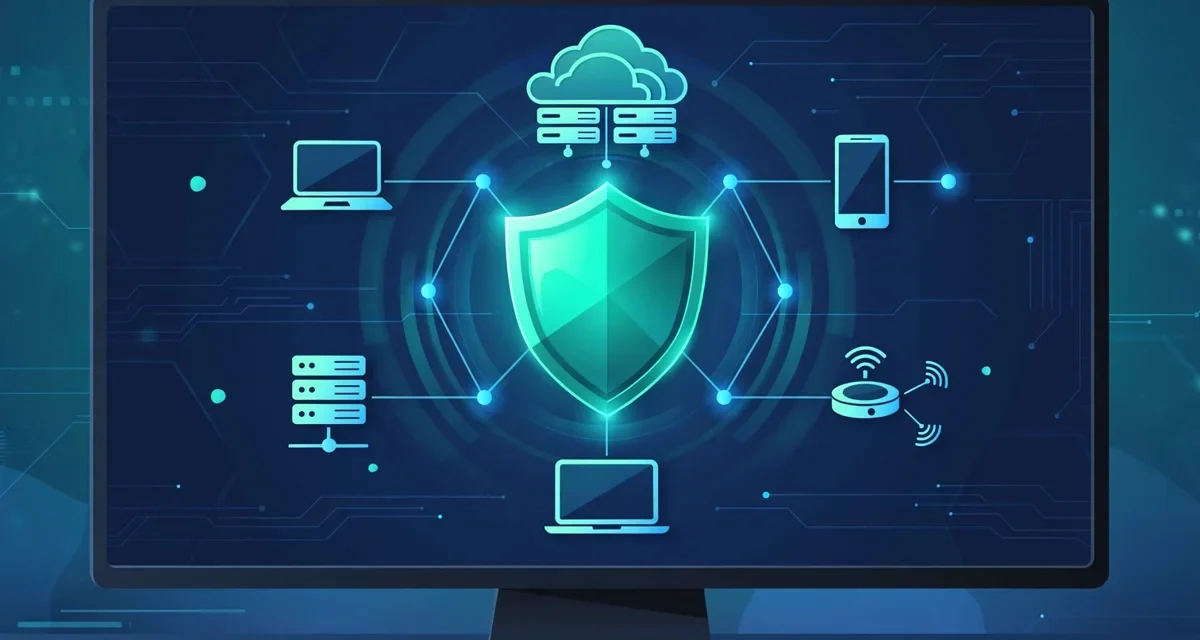






IPsec: What Is IPsec? How IPsec VPNs Work, Tunnel vs Transport Mode
IPsec stands for Internet Protocol Security. It is a set of protocols that authenticates and encrypts IP packets, so data travelling across an untrusted network, such as the internet, stays private and tamper-proof. In plain terms, IPsec turns an open…
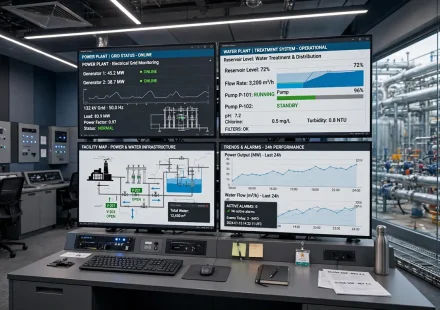
SCADA Meaning: What Is SCADA? How Supervisory Control Systems Work
SCADA meaning: SCADA stands for Supervisory Control and Data Acquisition. It is a system of hardware and software that monitors, controls and analyses industrial processes in real time. In plain terms, SCADA lets operators in a control room see what is…

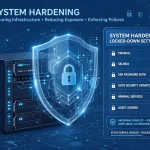
Define Vulnerability: What Is a Vulnerability in Cyber Security? Types, Examples and Fixes
To define vulnerability in cyber security: a vulnerability is a flaw, weakness or error in software, hardware, a network, a process or human behaviour that an attacker can exploit to gain unauthorised access, steal data, disrupt a service or take control…
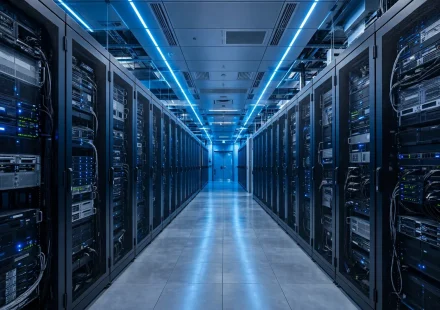
IDF Room: What an Intermediate Distribution Frame Room Is and How to Design One
An IDF room — an Intermediate Distribution Frame room — is the small network closet on each floor of a building where the cables from offices and rooms connect to the building’s backbone network. It is the link between the wall jack at a desk and…
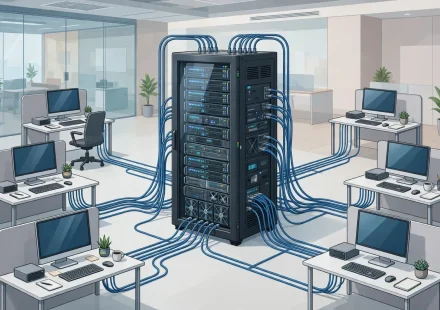
What Is a Thin Client? How Thin Clients Work, Their Benefits, and When to Use Them
What is a thin client? A thin client is a lightweight computer that does almost no processing itself. Instead, it connects to a central server or cloud service, which runs the applications and stores the data. The thin client is mainly a screen,…
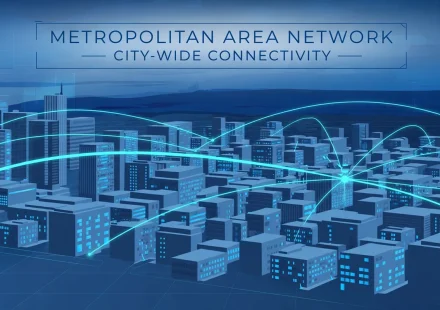
Single Mode Fiber Optic Cable: What It Is, How It Works, and When to Use It
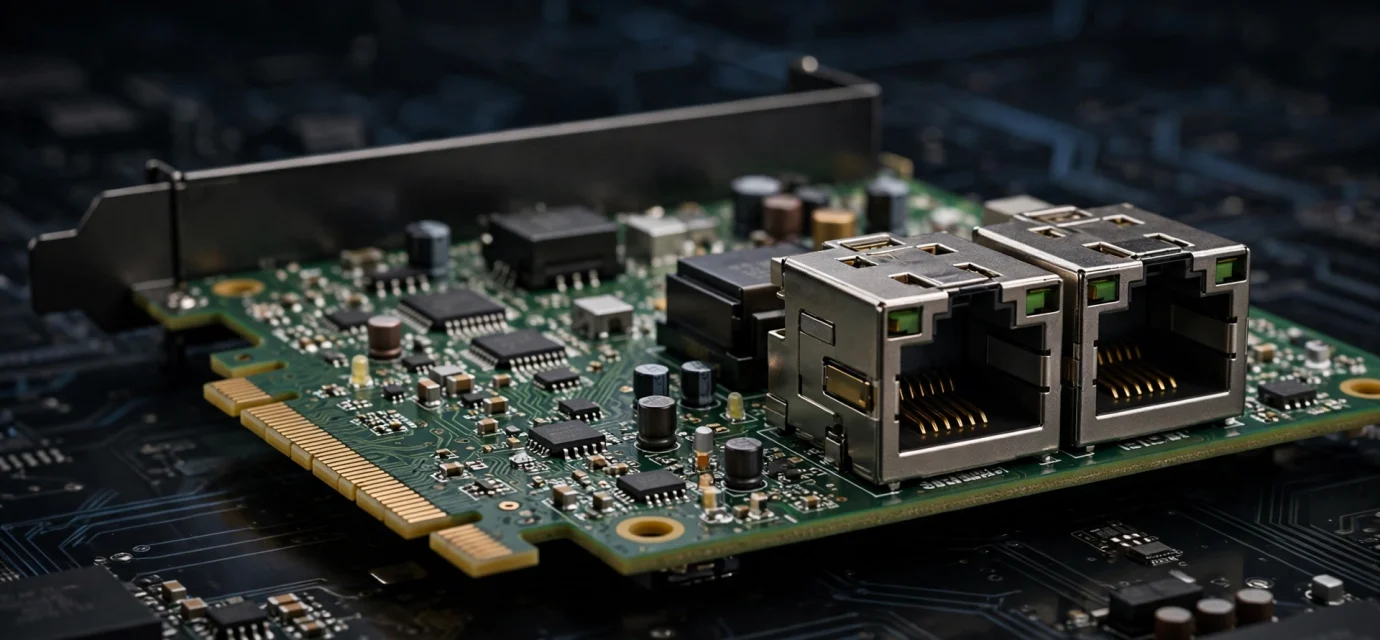
A single mode fiber optic cable is a type of fiber cable that carries light in a single path, or mode, down a very narrow glass core. That design lets it send data over much longer distances, at higher speeds, than multimode fiber or copper — which is…

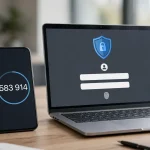
What Is IVR? Interactive Voice Response Explained, With Examples and Security Tips
What is IVR? Interactive Voice Response is the automated phone system that greets you with “Press 1 for sales, press 2 for support” and routes your call without a human operator. It is the voice menu behind banks, airlines, hospitals, and…
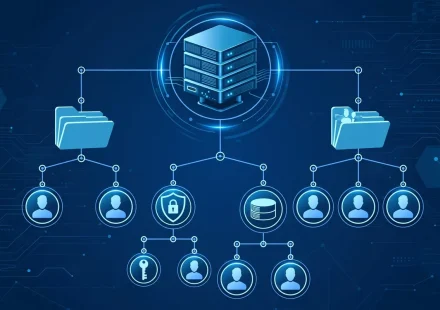
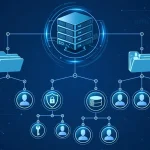
Server Principal Name (SPN): What It Is, How Kerberos Uses It, and How to Secure It
A Server Principal Name (SPN) is the unique name that identifies a service on a network so clients can authenticate to it with Kerberos. If you have ever seen an error such as “Cannot find the computer account” or “The target principal…

POP3 Explained: What the Post Office Protocol Is and When to Use It
POP3 — the Post Office Protocol, version 3 — is one of the oldest email protocols still in use. It lets an email client download messages from a mail server to a single device, and then, usually, delete them from the server. If you have ever wondered why…
FaaS Explained: What Function as a Service Is and When to Use It
FaaS — Function as a Service — is a cloud computing model that lets you run code without managing any servers. You write a small function, upload it to a cloud provider, and it runs only when something triggers it: an HTTP request, a file upload, a…