
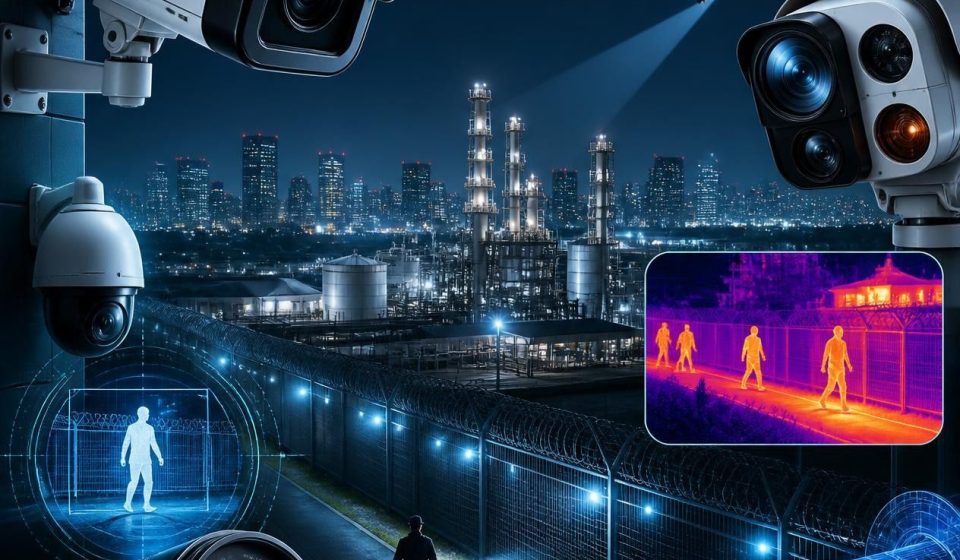

Modern security systems are no longer limited to alarms, locks, and traditional surveillance cameras. As technology continues to advance, organizations and individuals are increasingly using optical equipment to improve visibility, monitoring, and situational awareness. From outdoor observation to precision imaging, modern optical devices can complement digital security tools and provide useful visual information in different environments.
Optical technology has become particularly valuable in situations where users need to observe distant objects, monitor outdoor areas, or work in changing lighting conditions. When combined with responsible security practices, quality optics can contribute to a more complete approach to observation and environmental awareness.
The Growing Role of Optical Technology in Security
Security depends heavily on the ability to observe what is happening in and around a protected area. Cameras, sensors, lighting systems, and optical equipment can all contribute to this process.
Traditional security cameras work well for many applications, but specialized optical devices can offer additional flexibility when users need to view objects at greater distances. Clear magnification, improved visibility, and reliable construction can be valuable for outdoor monitoring and other observation-based activities.
Modern optical products are also becoming more accessible. Improvements in lens technology, coatings, durability, and compact designs have helped make precision optics useful across a wide range of applications.
Why Clear Vision Matters for Outdoor Monitoring
Outdoor environments can present several challenges for observation. Distance, weather, changing light, and surrounding terrain may make it difficult to identify objects clearly.
A quality optical device can help users obtain a clearer view of distant subjects. This can be useful for activities such as wildlife observation, outdoor inspection, sporting activities, and other lawful applications where visual accuracy matters.
The effectiveness of an optical system depends on several factors, including magnification, lens quality, field of view, light transmission, and overall construction. Choosing equipment according to the intended application is therefore more important than simply selecting the highest magnification available.
Understanding Different Types of Optical Equipment
The term optical equipment covers a broad category of products. Different devices are designed for different purposes, so users should understand their basic characteristics before making a decision.
Rifle Scopes
Rifle scopes are optical sighting devices designed for firearms and are commonly associated with lawful sporting and target-shooting activities. They typically provide magnification and a reticle that helps the user align the firearm with a target.
For people researching this category, choosing an appropriate scope involves considering factors such as magnification range, optical clarity, eye relief, durability, and compatibility with the intended firearm and lawful activity.
For example, those researching equipment associated with .22 LR platforms can explore the Billings guide to best 22 LR rifles for additional information when comparing related equipment.
Red Dot Sights
Red dot sights are another type of optical aiming device. Unlike traditional magnified scopes, many red dot sights provide a non-magnified view with an illuminated aiming point.
Their simple viewing system can be useful for applications where quick target acquisition and a broad field of view are important. As with any optical equipment, users should select products according to their specific lawful use and equipment requirements.
Mounts and Accessories
Even a high-quality optic needs appropriate mounting hardware. Mounts connect an optical device to compatible equipment and can affect stability, alignment, and overall performance.
Users should always verify compatibility before purchasing a mount or accessory. Factors such as mounting standards, dimensions, construction materials, and intended application can all influence the final setup.
Optical Technology and Digital Security
Optical equipment doesn’t have to operate independently from digital security systems. In many modern environments, optical information can complement technologies such as cameras, motion sensors, access-control systems, and remote monitoring platforms.
For example, a security team monitoring a large outdoor property may use fixed cameras for continuous surveillance while relying on additional optical equipment for closer visual inspection when necessary. This combination can create a more flexible observation process.
Digital systems can provide alerts and recorded footage, while optical equipment may help an authorized user visually inspect an area. Together, these technologies can improve situational awareness without requiring every security task to depend on a single device.
Important Factors When Choosing Optical Equipment
Selecting optical equipment should begin with the intended purpose. Buying a product simply because it offers high magnification or advanced features may not produce the best results.
Optical Clarity
Clear glass and effective lens coatings can make a major difference in image quality. A product with excellent specifications on paper may still perform poorly if the optical system is not well designed.
Magnification
Magnification determines how much a distant object can be enlarged. However, higher magnification is not automatically better. Excessive magnification can reduce the field of view and make it harder to maintain a stable image.
Field of View
Field of view describes the amount of area visible through an optical device. A wider field of view can be beneficial for general observation, while narrower views may be suitable for situations requiring greater detail at distance.
Durability
Outdoor equipment may be exposed to rain, dust, temperature changes, and accidental impacts. Durable construction can therefore be an important consideration, particularly for users who expect to operate equipment outside regularly.
Mounting Compatibility
Before purchasing an optic, users should confirm that the mounting system is compatible with their equipment. Compatibility issues can affect installation and performance.
Optical Equipment for Responsible Outdoor Activities
Precision optics have applications beyond security. They are widely used for wildlife observation, astronomy, outdoor recreation, sporting events, photography, and lawful target shooting.
This broad range of applications demonstrates why optical technology has become an important part of modern outdoor equipment. The right product can help users see distant objects more clearly while improving the overall experience of an activity.
Responsible use is equally important. When optical products are associated with firearms, users should follow all applicable laws, safety procedures, manufacturer instructions, and range rules.
The Importance of Quality Manufacturing
Manufacturing quality plays a major role in the reliability of optical equipment. Precision lenses, mechanical components, adjustment systems, and protective housings must work together consistently.
Companies involved in optical manufacturing may offer products for different markets and applications, including scopes, red dot sights, mounts, and OEM solutions. OEM manufacturing can also allow businesses to develop optical products according to specific design and branding requirements.
For buyers, examining construction quality, product specifications, warranty information, and manufacturer reputation can be more useful than focusing only on price.
How Technology Is Improving Modern Optics
Optical technology continues to develop as manufacturers improve materials, coatings, mechanical systems, and manufacturing processes. Modern products can offer better image quality in compact designs while also improving resistance to environmental conditions.
Some optical systems are also being combined with electronic features, creating products that bridge traditional optics and modern technology. These developments demonstrate how the optical industry continues to evolve alongside other technology sectors.
For security professionals and outdoor users, these improvements can provide more options when selecting equipment for observation and monitoring.
Making a Smart Optical Equipment Decision
Before purchasing any optical product, it is useful to create a simple checklist based on the intended application.
Consider:
- What distance will the equipment normally be used at?
- Is magnification actually required?
- What lighting conditions are expected?
- Will the equipment be used indoors or outdoors?
- How important are weather resistance and durability?
- Is the mounting system compatible?
- What is the available budget?
- Does the manufacturer provide clear specifications and support?
Answering these questions can help users avoid paying for features they don’t need while ensuring that the selected equipment meets practical requirements.
The Future of Optical Technology
The future of optical technology is likely to involve even closer integration between traditional lenses, digital systems, sensors, and smart devices. As manufacturing techniques improve, optical products may become more compact, efficient, durable, and versatile.
Security and monitoring systems can benefit from these developments because better visual information can support faster and more informed decision-making. At the same time, optical equipment will continue to serve recreational, sporting, industrial, and observational purposes.
The key is selecting technology based on the actual task rather than simply choosing the most advanced or expensive product available.
Conclusion
Optical technology has become an important part of modern observation, outdoor monitoring, and many lawful recreational and professional activities. Scopes, red dot sights, mounts, and other optical products can provide useful visual capabilities when selected and used appropriately.
For anyone researching optics, understanding factors such as clarity, magnification, field of view, durability, compatibility, and manufacturing quality is essential. Combining reliable optical equipment with modern digital security technology can also create a more flexible approach to observation.
As the industry continues to develop, better optical designs and smarter technology will provide users with even more options. Whether the goal is outdoor observation, sporting activity, monitoring, or another lawful application, choosing equipment according to real-world requirements remains the best way to achieve reliable results.
Related Reading: See how optics improve precision for 22 LR rifles and learn how cybersecurity audits help protect connected systems.
Putting Optical Technology for Security Monitoring Into Practice
In practice, optical technology for security monitoring delivers the most value when it is matched to the site it protects. For example, a warehouse team might combine fixed cameras with a quality optic for checking distant fence lines, while a rural property owner may need wider views and reliable low-light performance.
In addition, regular maintenance matters for anyone relying on optical technology for security monitoring. Therefore, lenses should be cleaned, mounts checked, and sightlines reviewed as seasons and vegetation change, so the equipment keeps producing a clear picture when it is needed most.
As a result, optical technology for security monitoring becomes a dependable part of a wider safety plan rather than a single gadget. Clear images, sensible placement, and responsible use help teams spot problems earlier and respond with greater confidence.
Finally, optical technology for security monitoring works best alongside alarms, lighting, and clear procedures. When these elements support each other, monitoring becomes calmer, more accurate, and far more useful day and night.



[…] another look at optics beyond the range, read about how optical technology supports modern security and outdoor monitoring, and for something completely different, compare the top 6 pickleball court surface materials […]