
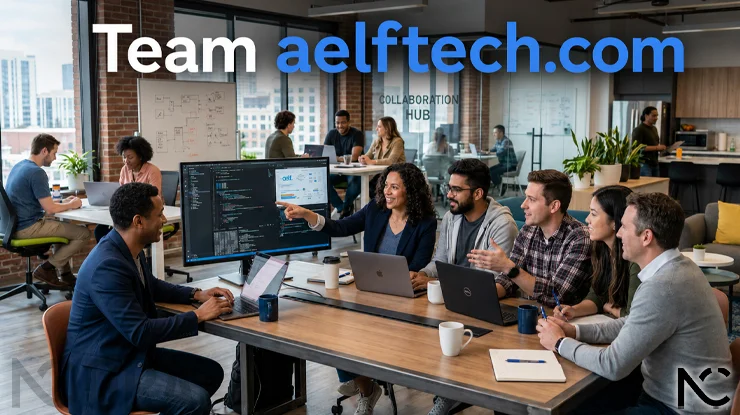

In today’s fast-moving digital ecosystem, the strength of any tech-driven platform often lies not just in its product or service, but in the people and processes behind it. When we look at team aelftech.com, we are essentially exploring the backbone of how a modern technology-focused organization functions, collaborates, and evolves in a highly competitive online space.
Whether you are a curious visitor, a potential collaborator, or someone researching digital teams and their operational models, understanding how such a team works can offer valuable insight into modern software culture, remote collaboration, and structured innovation.
Table of Contents
ToggleUnderstanding the Concept Behind Team AelfTech.com
At its core, team AelfTech.com represents a structured group of professionals working toward shared digital objectives—typically involving web development, software engineering, product design, and technical support systems. In most modern tech ecosystems, such teams are not confined to a single office or geography. Instead, they operate in hybrid or fully remote environments, using cloud-based tools to stay connected and productive.
What makes such teams interesting is not just their output, but their coordination model. Developers, designers, QA testers, and project managers all contribute in different but interconnected ways. This layered collaboration ensures that projects move from concept to execution without losing efficiency or clarity.
A personal observation from exploring various digital teams is that the most successful ones always maintain a balance between technical expertise and clear communication. Without that balance, even the most skilled groups struggle to deliver consistent results.
The Functional Strengths of a Modern Tech Team
When analyzing a structure like team AelfTech.com, it becomes clear that several core strengths define its operational success. These strengths are not unique to one company but are common across high-performing digital teams worldwide.
- Cross-functional collaboration between departments
- Agile-based development cycles
- Strong focus on user experience and feedback loops
- Use of modern cloud-based project management tools
- Continuous integration and deployment practices
The advantage of this setup is speed and adaptability. Teams can quickly adjust to market needs, fix issues, and release improvements without long delays.
Another important aspect is skill diversity. A well-balanced team usually includes specialists in frontend development, backend systems, UI/UX design, cybersecurity, and data analysis. This diversity ensures that no single aspect of a project is overlooked.
How Such a Team Operates
To better understand how team aelftech.com might function in practice, imagine a scenario where a new web-based application is being developed for small businesses.
A client requests a platform that allows inventory tracking, automated billing, and user analytics. The process typically unfolds like this:
- The project manager gathers requirements and defines scope
- Designers create wireframes and user interface mockups
- Developers build frontend and backend systems
- QA testers identify bugs and usability issues
- Deployment engineers launch the platform on cloud infrastructure
Throughout this process, communication is constant. Tools like Slack, Jira, or Trello ensure that every team member stays updated.
In a real-world situation, I once observed a similar workflow while reviewing a startup project where delayed communication caused a two-week setback. That experience highlighted how crucial synchronized teamwork is in avoiding inefficiencies.
Comparison of Traditional Teams vs Modern Digital Teams
To understand the value of a structure like team AelfTech.com, it helps to compare traditional working models with modern digital-first teams.
| Feature | Traditional Teams | Modern Tech Teams (like AelfTech-style) |
|---|---|---|
| Work Environment | Office-based | Remote / Hybrid |
| Communication | In-person meetings | Digital tools (Slack, Zoom) |
| Speed of Execution | Slower due to hierarchy | Faster with agile workflows |
| Flexibility | Limited | High adaptability |
| Collaboration Style | Department siloed | Cross-functional integration |
This comparison shows a clear shift in how technology-driven teams operate today. The modern approach prioritizes flexibility, speed, and transparency, all of which are essential in competitive digital markets.
What Makes This Team Approach Stand Out
One of the most compelling aspects of team AelfTech.com as a concept is its emphasis on integration and adaptability. Unlike rigid corporate structures, modern tech teams often evolve continuously based on project requirements and industry trends.
Another unique strength lies in user-centered development. Instead of building products in isolation, teams actively incorporate user feedback into every development cycle. This ensures that the final product is not only functional but also aligned with real-world needs.
Additionally, automation plays a major role. From automated testing to continuous deployment pipelines, repetitive tasks are minimized so that human effort can focus on innovation rather than maintenance.
The result is a system that is not only efficient but also scalable, allowing teams to handle multiple projects without compromising quality.
SEO and Digital Relevance of Team-Based Tech Entities
From a digital perspective, searches like team aelftech.com reflect growing user interest in understanding organizations beyond their surface-level branding. People want to know how teams work, how decisions are made, and how digital products are built.
This trend aligns with broader SEO behavior where informational intent dominates. Users are no longer satisfied with simple product pages—they seek transparency, structure, and operational insight.
For businesses, this means that showcasing team structure, workflows, and expertise can significantly improve trust and engagement. It also helps in building authority in search engine rankings, especially when combined with high-quality content and clear semantic optimization.
Also Read: Pushwiki com Explained: Features, Uses & Safety GuideUK
Conclusion
The concept of team aelftech.com goes beyond just a name—it represents the modern evolution of digital collaboration. In a world where technology drives nearly every industry, understanding how such teams operate provides valuable insight into productivity, innovation, and scalability.
From agile workflows to cross-functional collaboration, these teams demonstrate how structured communication and technical expertise can work together to build powerful digital solutions. Whether you are exploring tech ecosystems or analyzing organizational models, this approach offers a clear example of how modern development teams succeed.
FAQs
1. What does team AelfTech.com represent?
It represents a structured digital team model typically focused on software development, collaboration, and modern tech-driven project execution.
2. How do such tech teams usually work?
They operate using agile methodologies, cloud-based tools, and cross-functional collaboration between developers, designers, and managers.
3. Why are modern tech teams more efficient?
They are more efficient due to remote collaboration tools, faster communication, and flexible workflows that reduce delays.
4. What industries benefit from such team structures?
Industries like software development, fintech, e-commerce, and SaaS platforms benefit greatly from these modern team models.
5. Is remote work important for teams like this?
Yes, remote and hybrid models are often essential as they allow access to global talent and improve productivity through flexible environments.