
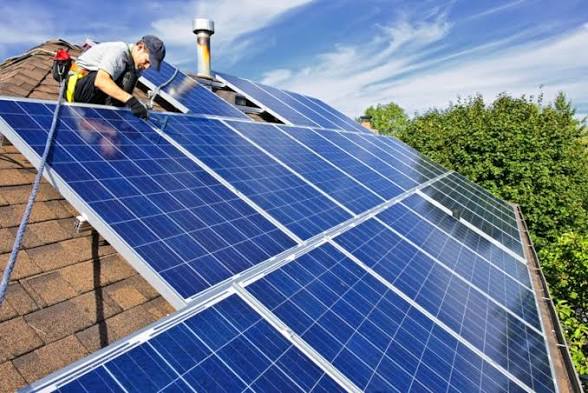

As more homeowners invest in renewable energy, one question continues to surface before installation begins. Can solar panels reduce the lifespan of a roof? The answer depends less on the panels themselves than on the condition of the roofing system before installation and the quality of the work performed during installation. A reputable roofing company can help homeowners assess whether their roof is ready for solar panels and identify any necessary repairs to be completed beforehand. In Tampa, FL, where roofing systems must withstand intense sun, heavy rain, and seasonal storms, careful planning helps protect both the roof and the solar investment.
The Roof Should Be Evaluated Before Solar Panel Installation
Solar panels are designed to remain in place for decades. Installing them on an aging roof that may soon need replacement often leads to unnecessary costs later. If the roof reaches the end of its service life after the panels have already been installed, the entire solar system typically must be removed before roofing work can begin and then reinstalled afterward.
A professional roof inspection allows homeowners to determine whether the existing roof has sufficient remaining life. If worn shingles, deteriorated flashing, or hidden moisture damage are discovered, completing roof repairs or replacing the roof before solar installation is usually the more practical approach.
Proper Flashing Protects Against Water Intrusion
One of the most important aspects of solar panel installation is protecting the roof where the mounting hardware penetrates it. Every attachment point must be properly sealed using flashing designed specifically for roofing applications.
Flashing directs water away from fasteners and prevents moisture from entering beneath the roofing materials. When you install flashing correctly, you greatly reduce the risk of leaks. Poor installation practices, however, can allow water to enter the roof deck, leading to wood deterioration, insulation damage, and interior leaks.
Coordination between the roofing contractor and the solar installation team helps reduce these risks while maintaining the integrity of the roofing system.
Future Roof Maintenance Should Never Be Overlooked
Solar panels should not prevent routine roof maintenance. Homeowners still need access to inspect roof penetrations, valleys, flashing, vents, and other areas that naturally experience wear over time.
Well-planned solar installations leave enough space around roof features for maintenance personnel to perform inspections and complete minor repairs without undue difficulty. Designing the panel layout with future access in mind helps simplify maintenance throughout the life of both the roof and the solar system.
Routine inspections remain valuable even after homeowners install solar panels, because weather, debris, and natural aging continue to affect roofing materials.
Roof Warranties Deserve Careful Review
Before installing solar panels, homeowners should review both their roofing warranty and the solar installer’s warranty. Some roofing manufacturers require specific installation practices or approved flashing systems to maintain warranty coverage.
Similarly, homeowners should understand who is responsible if future repairs involve both the roofing system and the solar equipment. Clear documentation and coordination between contractors help eliminate confusion should service ever become necessary.
Choosing experienced professionals who understand both roofing and solar installation requirements helps protect warranty coverage while reducing the likelihood of future disputes.
Quality Roofing Materials Support Solar Installations
Solar panels perform best when installed on a structurally sound roofing system. High-quality roofing materials provide stable support for mounting hardware while resisting the effects of weather over many years.
For homeowners already considering a roof replacement, installing a new roof before adding solar panels often makes financial sense. This approach reduces the likelihood of having to remove and reinstall the solar system years later due to normal roof aging.
A roofing company can recommend roofing materials that complement both the home’s design and future solar plans.
Planning Today Can Prevent Expensive Repairs Tomorrow
Solar panels themselves do not typically damage a roof. Most roofing problems associated with solar systems stem from poor installation practices, neglected maintenance, or the placement of panels on roofs nearing the end of their service life.
Proper planning allows homeowners to enjoy the benefits of solar energy while maintaining the durability and performance of their roofing system. A careful inspection before installation often identifies opportunities to complete roof repairs that protect both investments for years to come.
Frequently Asked Questions
Should roof repairs be completed before installing solar panels?
Yes. Completing roof repairs before installation helps create a stable foundation and reduces the chance that the solar panels will need to be removed for future roofing work.
Can solar panels cause roof leaks?
Solar panels themselves do not cause leaks. Water intrusion is usually the result of improper flashing or poor installation around mounting hardware.
Will solar panels affect my roofing warranty?
Some roofing warranties include specific requirements regarding roof penetrations and approved installation methods. Reviewing the warranty before installation is recommended.
Should I replace an older roof before adding solar panels?
If the roof is nearing the end of its expected lifespan, replacing it before installing solar panels often avoids the added expense of later removing and reinstalling the system.
If you are considering solar panels and want to protect your investment, working with an experienced roofing company is an important first step. Whether your home needs roof repairs, a roof inspection, or a complete roof replacement before solar installation, homeowners in Tampa, FL, can rely on the experienced team at Avatar Roofing for residential roofing solutions that support both your home and your future energy goals.