
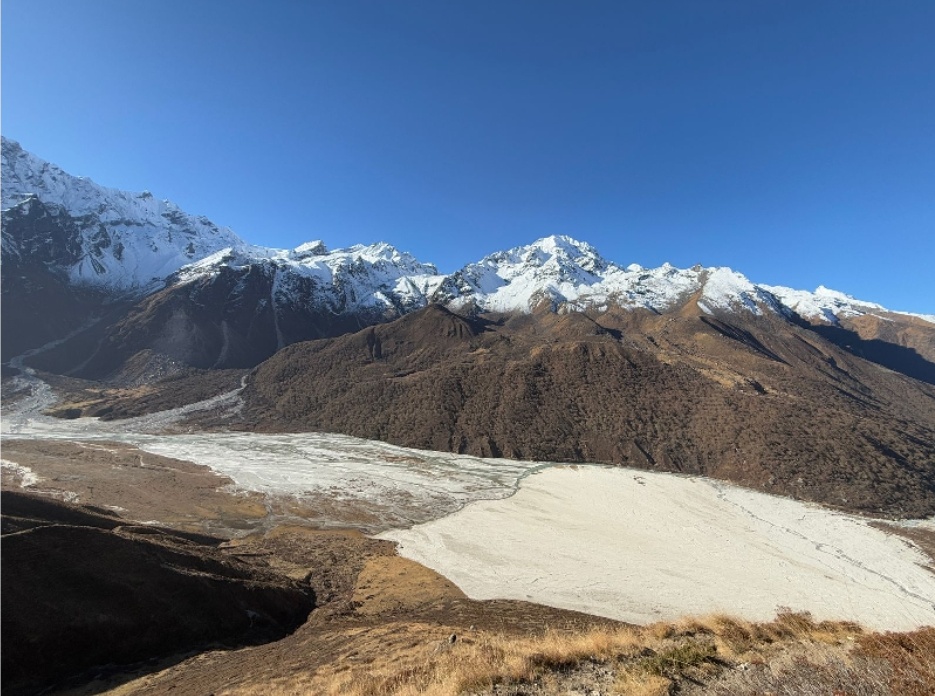

Every season, people journey to Everest’s slopes chasing views of massive mountains and photo moments at landmarks such as Base Camp. Yet while many complete the trek smoothly, others find it tough going. What decides who makes it? Preparation plays a quiet but powerful role – training both muscle and thought well before departure. Success doesn’t arrive by accident; readiness begins long before boots touch the trail. Up top, conditions change quickly – checking updates counts as much as choosing when to start.
A single misstep on the path often follows missing training walks where you live. It hits people suddenly, how thin air messes with breath. Go with a trail that fits what you can actually do; less pressure builds. Not every deal delivers what it seems; scanning the small print stops shocks later. Every year brings new faces stepping forward, but satisfaction waits for those who learn the dangers first. What looks like fortune is just preparation for the real world.
Physical Fitness and Endurance Levels
Fitness plays a big role if you plan to make it to Everest Base Camp. Ropes and ice tools aren’t required, yet walking long hours on uneven terrain at rising altitudes is part of each stage. People used to endurance work usually handle the rhythm of the trek without as much struggle. Coming with strong stamina leads to lighter fatigue and fewer problems during travel. As numbers grow yearly on this route, physical readiness remains what separates those who complete it from those who stop early.
Adapting to Higher Altitudes
Upward, the air grows sparse with each foot higher on Everest’s slopes. As elevation climbs, breathing pulls in less oxygen, making motion sluggish along with clear thinking. The body eventually adjusts if given moments to settle between gains. Stops woven into progress let red cells adapt ahead of more ascent. Without these breaks, most who push too fast begin to feel unwell. Early ends come fast when breath runs short. Up high, safety hides behind each gasp. How steady that breathing stays decides everything.
Choosing a trek that matches your needs
Heavy boots grow lighter when the trail takes its time. Day follows day more easily if the slopes climb gradually, though certain routes push ahead without warning. Recovery decides whether muscles hold steady past the midpoint. Thoughts are clearest when pauses let air fill lungs mid-ascent. Stillness builds strength more than motion sometimes. Crowds swarm summits every year, so firms start spacing journeys out on purpose. Flow across ridges keeps trekkers upright, people realize later. Thin skies sharpen choices, one breath at a time.
Weather along the trek
Up high close to Everest, the weather holds strong sway over every step taken. Clear views can vanish quickly once fog spills across ridges, turning stones slick underfoot or grounding planes without delay. Sudden snow dumps appear overnight, gusts shove travelers sideways, and lightning splits dawn air now and again. Before any start, choosing days counts – target stretches between storms where routes remain passable and skies forgiving.
Picking spring instead of autumn usually brings steadier mountain behavior. Many choose these seasons for Everest climbs, trusting them to behave better. Watching how forecasts change keeps hikers ready to adjust. Flexibility in timing often matters most once storms start shifting plans. Those who track the sky carefully tend to get farther.
Trekking Guides Experience and Knowledge
High up near Everest Base, trail experts move with quiet confidence. Knowing every turn gives them an edge – pacing shifts when moods dip, or energy fades. Thin air brings sharp attention; signs like tiredness show early under their gaze. Progress slows if needed, never forced, allowing breath and balance to catch up. Moments between steps become openings – tales of old habits rise easily beside rocks or running water. Most people picture standing at base camp. Yet it’s usually a guide’s calm call that changes hardship into forward motion. Not with grand speeches, but by being there- altitude feels less wild. Quiet shifts everything.
Mental Strength With Positive Attitude
Heavy steps toward Everest rely on something deeper than muscle. Long days drag, exhaustion builds, weather shifts without warning, oxygen slips away – each takes its toll. What holds a person together then is how they think, not just how they move. Plans fall apart quickly up there, yet some find ways around trouble simply by accepting it. Flexibility, not force, keeps feet going when conditions change. Crowds may be larger on the trail today, but the real weight carried lives within. Equipment guides, paths show direction, but inner calm decides the pace.
Quality of Equipment and Trekking Gear
Out on the trail, what you carry changes how it feels. Shoes with real grip hold the slope when gravel shifts underfoot. Layers that slide together mean less shivering at dawn. A tent that blocks gusts keeps your breath calm through dark hours. Sticks in hand, balance weight on uneven ground. Poor choices show up quickly – blisters by mile three, stumbles on wet rock, teeth-chattering campouts. Getting ready early settles the mind before departure. Even as crowds grow near Everest’s base, voices agree quietly: trust comes from trusted tools, nothing else.
Nutrition and Hydration During Travel
Most folks feel stronger when they eat and drink enough during high climbs. Because the air is thinner, your body uses energy faster – that means meals count extra here. Skip water, and headaches might hit harder, steps grow slower. People who snack regularly while sipping liquids usually handle steep paths with less trouble. Up near Everest, good eating doesn’t shout – it just decides what kind of journey unfolds.
Selecting a Reliable Everest Trek Package
Everest trips feel completely different depending on which package someone picks. Leaders from solid teams move through high trails like they’ve walked them a thousand times before. A well-built plan keeps each day moving just right – never too fast, never dragging behind. When storms hit hard and out of nowhere, it is clear why safety moves count so much. Most beds for the night must be saved long before arrival, particularly when climbing higher.
Certain trip deals include travel parts people often miss. Checking exactly what sits in the package shows missing pieces – or shocks – down the line. Weather shifts quickly up there; operations shift just as fast now. The reliable ones shine by fixing hidden hiccups before sparks fly. Most of the time, how cozy you feel comes down to decisions made long before stepping outside. What happens out there ties back to moments spent thinking while still indoors.
Health status and pre-trek prep
Most folks feel the change when oxygen drops at high peaks. Health checks done early often lead to smoother hikes later on. Preparation could involve steady training runs plus testing equipment under real conditions. Some risks pop up simply due to altitude – knowing them helps. Clear thinking comes easier after thoughtful prep work, even if outcomes stay uncertain. Tougher minds form through deliberate practice long before boots touch rocky paths.
Conclusion
Many folks make it to Everest base camp by training hard – still, fit walkers sometimes fall short if altitude is ignored. Wind at high levels can halt everything; surprise snow halts progress fast. Spreading hikes across days helps bodies cope before moving up. Leaders play a role – not only skill, but their cool during chaos counts most. Footwear should sit snug without pinching, moisture should be kept away from the skin, and belongings should be limited to essentials.
Plenty of food plays a bigger role than assumed: low energy weakens resolve quickly when the air thins. Ready minds begin well before departure – rest patterns shaped long before trailheads appear. A few journeys skip steps, pushing high too early; different paths gain height slowly across slopes and divides. Choosing experienced guides won’t promise clear peaks above clouds, but it still reduces danger where ice bites deep. Every year, lots of people show up, not chasing glory but testing themselves. It’s the tiny pieces adding together that keep hikers steady on rough paths. What matters is seeing how it all fits, step after step.